 Spare Spoons Kitchen
Chicken Broth
roasted or raw · stovetop or Instant Pot
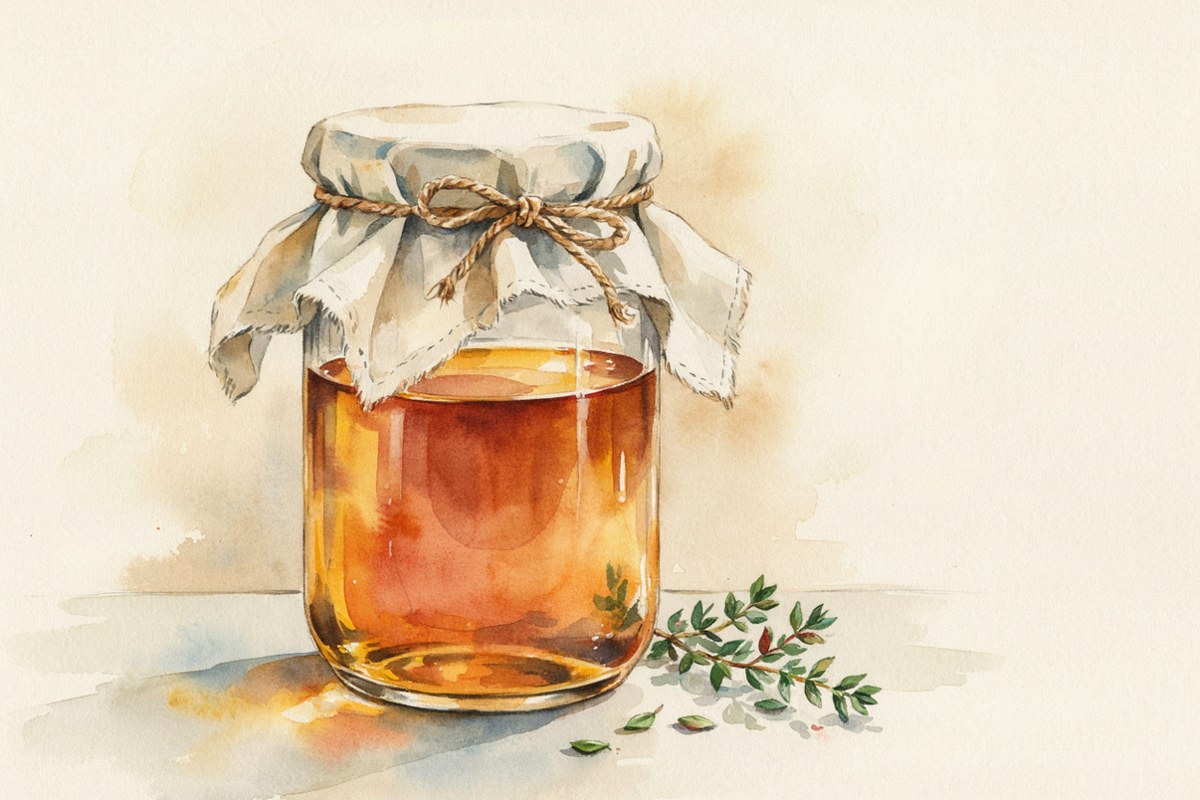
Golden, body-rich chicken broth from a leftover carcass (or a few bony pieces) and the usual aromatics. Raw bones give a clean, pale broth; roasted bones give a deep, browned one. Simmer it low on the stove or pressure-cook it — then freeze it in one-cup cubes. Gluten-free.

Ingredients
Method
Cook's notes
Roasted vs raw — how, and why. Raw bones give a clean, pale, delicate broth — what you want for a light soup. Roasted bones give a deep, golden-brown, richer one — better for gravy, French onion soup, or sipping. To roast: spread the bones (and the onion, carrot, celery, garlic) on a sheet pan and roast at 220°C / 425°F for 40–45 minutes, until deeply browned; a spoon of tomato paste in the last 10 minutes adds color and depth. Deglaze the hot pan with a splash of water, scrape up every browned bit, and add it all to the pot — that fond is the flavor.
The gelatin is the goal. A good broth sets to a soft wobble in the fridge; that body comes from collagen in bones and joints — especially wings, necks, backs, and feet. A splash of vinegar and a long, low simmer help draw it out. If yours doesn't gel, it still tastes great — just add a few more collagen-rich parts next time.
Save your bones. Stash roast-chicken carcasses and raw trimmings in a freezer bag; once you've got a carcass or about a kilo of bones, make stock. Two meals from one bird, and about the closest thing to free flavor there is.
Freezing — the whole point of a batch. Cool quickly, then portion. Souper Cubes freeze it into tidy 1-cup blocks you pop out and stack in a labeled bag; a regular ice-cube tray gives you ~2-tablespoon cubes for a splash in a pan sauce or a risotto. Freeze the saved schmaltz in an ice tray too — a cube of it starts a soup beautifully. Broth keeps about 4–6 months frozen and 4–5 days in the fridge; label with the date.
Use it: the backbone of chicken noodle soup, risotto, gravy, braises, and rice or grains cooked in broth instead of water.
Easier, if you like
- Rotisserie carcass is the easiest start: strip a store rotisserie bird for dinner, then simmer the bones for broth. Two meals, one chicken.
- Instant Pot = walk away. The pressure route is the low-spoons one — 45–90 minutes hands-off instead of babysitting a stovetop simmer for hours.
Gluten-free as written
Turkey or other poultry: same method — a turkey carcass makes a bigger, deeper batch (give it extra time).
Want it to gel like jelly? Add a couple of chicken feet or a handful of extra wings — they're pure collagen.
No vinegar? Skip it, or use a squeeze of lemon or a squashed tomato — it's an optional nudge, not essential.
Gluten-free: naturally gluten-free.